

Pro Tips for a Successful Build
September 29, 2026
Hereabout was started 5 years ago with the intention of providing a different option to folks looking to design and build a home. Not a custom architect, not a shallow stock plan - something in the middle that feels like home. Now, with 24 homes built and 22 in progress, we've learned a few things from our clients who've been successful in their builds – and from clients who've had road bumps.
Below are 5 tips to help you find success and avoid certain road bumps in your home building journey, whether you're just dreaming, starting to plan, or in the middle of your build.
1 - Identify your north stars:
Get clear about your priorities.
Let’s start at the beginning - you're dreaming about your home and all of the ways it could take shape. While it’s really easy to get swept up by the “what ifs” and the sea of beautiful Pinterest imagery, it’s essential to determine what your north stars are for you and your family. Determining your top priorities is critical for the success of your project.
Bonus tip: Check out our free workbook to help you identify your priorities!
Locking in your priorities (and sticking to them) also goes hand in hand with the ability to compromise. Committing to being flexible around lower priority items throughout the course of your build can keep a project moving forward (and in budget), whereas stubbornness over the “nice-to-have’s” might halt the project before it even gets off the ground.
2 - Understand your lot:
Avoid surprises whenever possible.
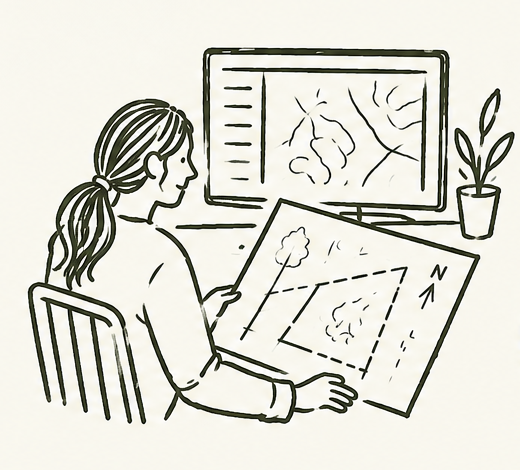
Now that you’ve entered the planning phase of your project, it’s time to complete a deep dive about your land. This means understanding what your lot requires when it comes to setbacks, septic, and HOA policies. Getting the right information early is essential for you to know what you can and can’t build on your lot.
It also means understanding the local building laws. What documentation do you need for your permit? Some jurisdictions require stamped drawings from an architect and/or structural engineer on your build plans. Gather this information from your local planning and/or building department, HOA, and/or local GIS maps.
The less surprises you and your build team encounter once your build is in progress, the better.
3 - Do an early cost estimate exercise with your builder.
You’re still in the planning stages - maybe you have a builder or you’re still in the process of reaching out to a few. Be honest and transparent with your potential builder(s) about your budget, timeline, and learn what their process is. In all of the successful projects we’ve seen, there is a common thread: the clients worked with a local builder (or builders) to do a cost estimate of the design early on.
Tip: This is the best use of our ‘Planning Set’ - available for all of our home plans.
Building costs vary widely depending on location, so getting a rough idea of what the design will cost to build on your lot and with your desired finishes is crucial. Perhaps you find out that you need to modify the design slightly or revise your finishes to meet your budget - or maybe you find out you have space in the budget for that sauna you’re dreaming of - this is all important information for you to have early on so that you can make decisions that support your budget and goals. The earlier you involve your builder, the better.
4 - Finalize decisions early:
Save money during the build.
Now things are coming to life - Your home plans are complete and you enter the final phase: the build. We have a simple recommendation: finalize decisions and stick to them. The number one way to spend more money is making last minute changes and/or decisions during the build. It is the trickle effect of these changes that leads to construction delays and budget increases.
We love working with clients through our semi-custom design process to help think through the design at a more granular level.
The semi-custom process is a really nice middle ground between our pre-designed stock plans and a custom design. By getting to know your lifestyle and preferences, we’re able to be your partner in thinking through the whole design - which helps avoid last minute decision-making on site.
If you’re working with a pre-designed plan, spend time understanding the drawings and “walking through” the plans before your build starts.
Finally, consider whether you are comfortable seeing a work-in-progress. Often, decisions get reworked when clients visit in-progress builds because they aren’t seeing the final result that they pictured in their minds.
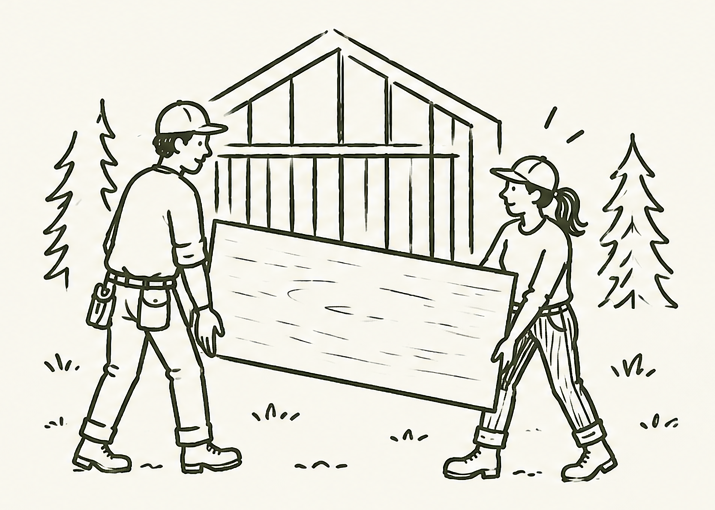
5 - Don’t Jump into Being Your Own GC
We’ve had a few clients act as their own general contractors (GC’s) for their build – while there is potential to save money, you must be willing to commit to it as a full time job. Before you decide to be the GC on your project, make sure you are realistic about how much time you can really invest in learning, organizing, and managing the build (and how much stress you want to endure).
Finally, we recommend having an experienced GC mentor on call for paid assistance if and when you need to support.
Building your own home is an incredible experience. At Hereabout, we want you to have as smooth a journey as possible, from the moment you start dreaming about your special place to moving into your new home.